Five coat shapes, and who they suit
The Chesterfield. Single-breasted, notch lapel, usually knee length or longer. It goes over a suit and over jeans, which makes it the safest first coat.
The wrap coat. No buttons, a tie belt, a shawl or notch collar. Belted, it defines a waist; open, it hangs long. It is the most forgiving shape for anyone between sizes.
The car coat. Hip to thigh length, boxy, often with a small collar. Better for drivers and cyclists, less suited to the long-line look of this season.
The duffle. Toggles, a hood, heavy melton. Gloverall in England has made them since the 1950s. Casual, warm, best with jeans and boots.
The parka. For real cold, wind and rain. A fishtail or a long technical parka belongs in the wardrobe beside a wool coat, not instead of one.

Reading the label
Look for at least 70% wool for real warmth. Blends with 20 to 30% polyamide or nylon add strength and are not a bad sign. Coats under 50% wool tend to pill at the cuffs within a season and lose shape at the shoulder.
- Melton: dense, felted, windproof. The standard for overcoats.
- Boiled wool: knitted then shrunk; light, warm, soft structure.
- Wool-cashmere blends: softer handle; 10% cashmere is mostly marketing, though it does no harm.
- Harris Tweed: handwoven in the Outer Hebrides and protected by an Act of Parliament; rugged and nearly indestructible.
The fit check in the shop
- Wear or bring your thickest jumper. Try the coat over it.
- Cross your arms in front of you. If the back pulls tight across the shoulder blades, size up.
- Check the sleeve: it should cover the shirt cuff and reach the base of the thumb.
- Button it and sit down. A long coat that pulls open at the hip when you sit will annoy you all winter.
- Look at the collar from the side. It should sit against the neck, not stand away from it.
Shoulders cannot be altered cheaply. Sleeves and hems can. Buy for the shoulder.
Knitwear: gauge, fibre and use
Gauge is the number of stitches per inch. Fine-gauge knits (12 and up) layer under jackets and coats. Chunky knits (3 to 7) replace a jacket indoors and need a roomier coat on top.
- Merino: fine, soft, next-to-skin, machine washable on wool cycles.
- Lambswool: warmer and slightly springier; the backbone of a winter knit drawer.
- Shetland: rough at first, softens with wear, holds shape for decades.
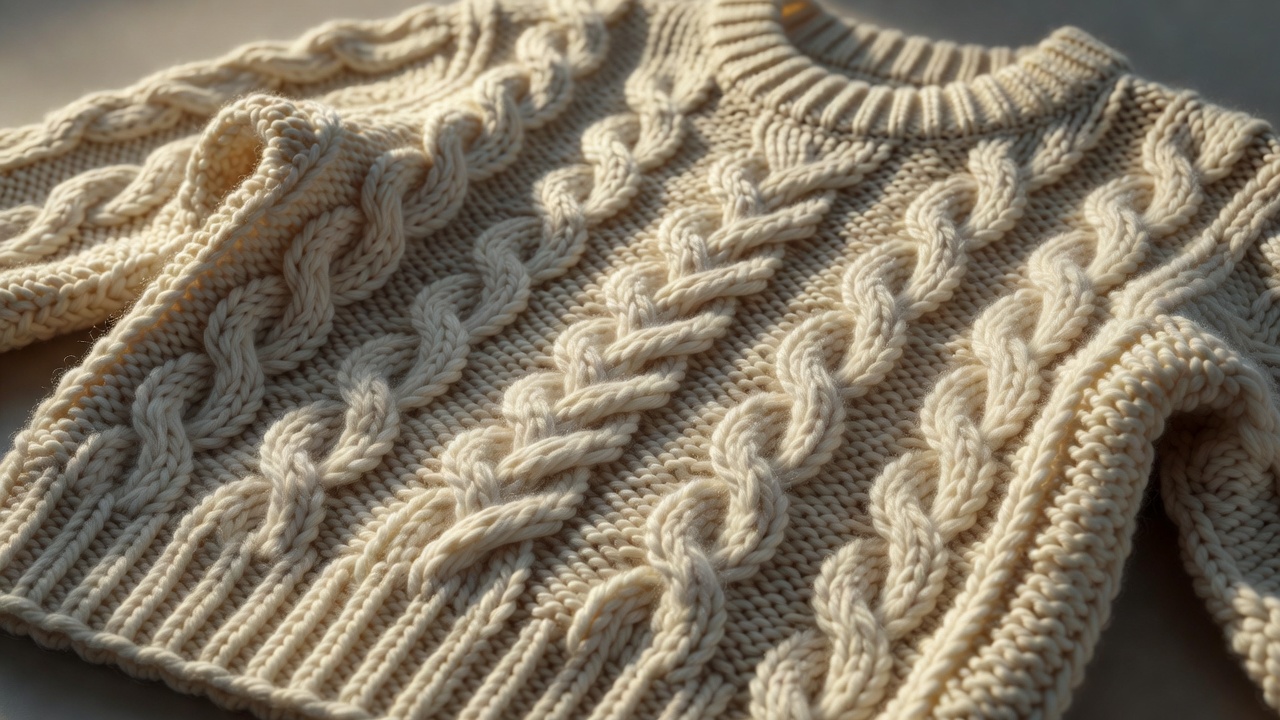
- Aran: the cabled fisherman knit from the islands off Galway; thick, often in undyed cream.
- Cashmere: warmest for its weight. Cheap cashmere uses short fibres that pill fast; feel for a dense, springy knit rather than a floppy one.
Care that adds years
Brush coats after wear with a clothes brush, downward along the nap. Hang them on wide wooden hangers that fill the shoulder. Wash knits rarely, by hand or on a wool cycle at 30°C, and dry them flat. A fabric comb removes pilling in minutes. Store everything clean with cedar blocks over summer: clothes moths go for worn, unwashed wool first.